Welcome to our new photography blog!
What Is Photography?
Photography is the art of capturing light with a camera, usually via a digital sensor or film, to create an image. With the right camera equipment, you can even photograph wavelengths of light invisible to the human eye, including UV, infrared, and radio.
- Photography is all about light. To let the camera “see” what you wish, you have tools controlling how much light reaches the camera sensor: the aperture and shutter speed controls. With too little light, your photo will be too dark. With too much light, it will be too bright. In both cases some details will be lost. You use aperture and shutter speed to achieve the proper exposure, while taking into account some important side-effects you should be aware about.
Imagine that you are looking through a small round hole in a fence. How much of the scene behind the fence will you see and comprehend? I would say it depends on two factors:
How large the hole is. The larger it is, the more you will see.
How long you look. The longer you look, the more details you will notice.
Same story happens in a photo camera. I am now probably risking to get a negative evaluation of my physics knowledge, which would unfortunately be quite fair… However, although the physical reasons might differ, the conceptual comparison seems to be quite adequate. When shooting with a photo camera, you let the sensor see the scene through a hole in the lens called aperture. The larger this hole is, the more light reaches the sensor. Normally the sensor is closed by a curtain called shutter. When shooting, the shutter opens, light reaches the sensor through the aperture hole, and then it closes again. The longer the opening lasts, the more light reaches the sensor. This time is called shutter speed.
The Three Fundamental Camera Settings You Should Know
Your camera has dozens of buttons and menu options. If you pick the wrong camera settings, it’s possible that your photo won’t turn out the way you want. How do you make sense of all these options? And how do you do it quickly in the field?
It’s not easy, but it’s easier than you might think. In fact, most of the menu options are things you’ll only set one time, then rarely or never touch again. Only a handful of settings need to be changed frequently, and that’s what the rest of this Photography Basics guide covers.
The three most important settings are called shutter speed, aperture, and ISO. All three of them control the brightness of your photo, although they do so in different ways. In other words, each brings its own “side effects” to an image. So, it’s a bit of an art to know exactly how to balance all three for a given photo.
- Shutter speed: The amount of time your camera sensor is exposed to the world while taking a picture. Chapter 2: Shutter Speed
- Aperture: Represents a “pupil” in your lens that can open and close to let in different amounts of light. Chapter 3: Aperture
- ISO: Technically a bit more complex, but similar to the sensitivity of film for taking pictures in different lighting conditions. Chapter 4: ISO
The First Steps on Your Photographic Journey
In photography, the technical and the creative go hand in hand.
Remember the Ansel Adams quote from earlier? There is nothing worse than a sharp image of a fuzzy concept. If the idea behind a photo is weak, using the right camera settings won’t make it better.
At the same time, camera settings are some of the most important tools you have at your disposal. In a way, every technical choice is really an artistic choice in disguise. These settings are worth learning. Your understanding of photography will improve tenfold when you understand how camera settings work.
photographic community are our eyes to the world. Whether established artists and journalists or passionate emerging voices, they inform us, they inspire us, they amaze us, they put our world in the broader context of history.
But that community also faces great challenges — dwindling sales, increased competition and a fragile trust in photographers’ mission to inform. Too often, those factors can make those of us in that community, photographers and photo editors alike, lose sight of what drive us.
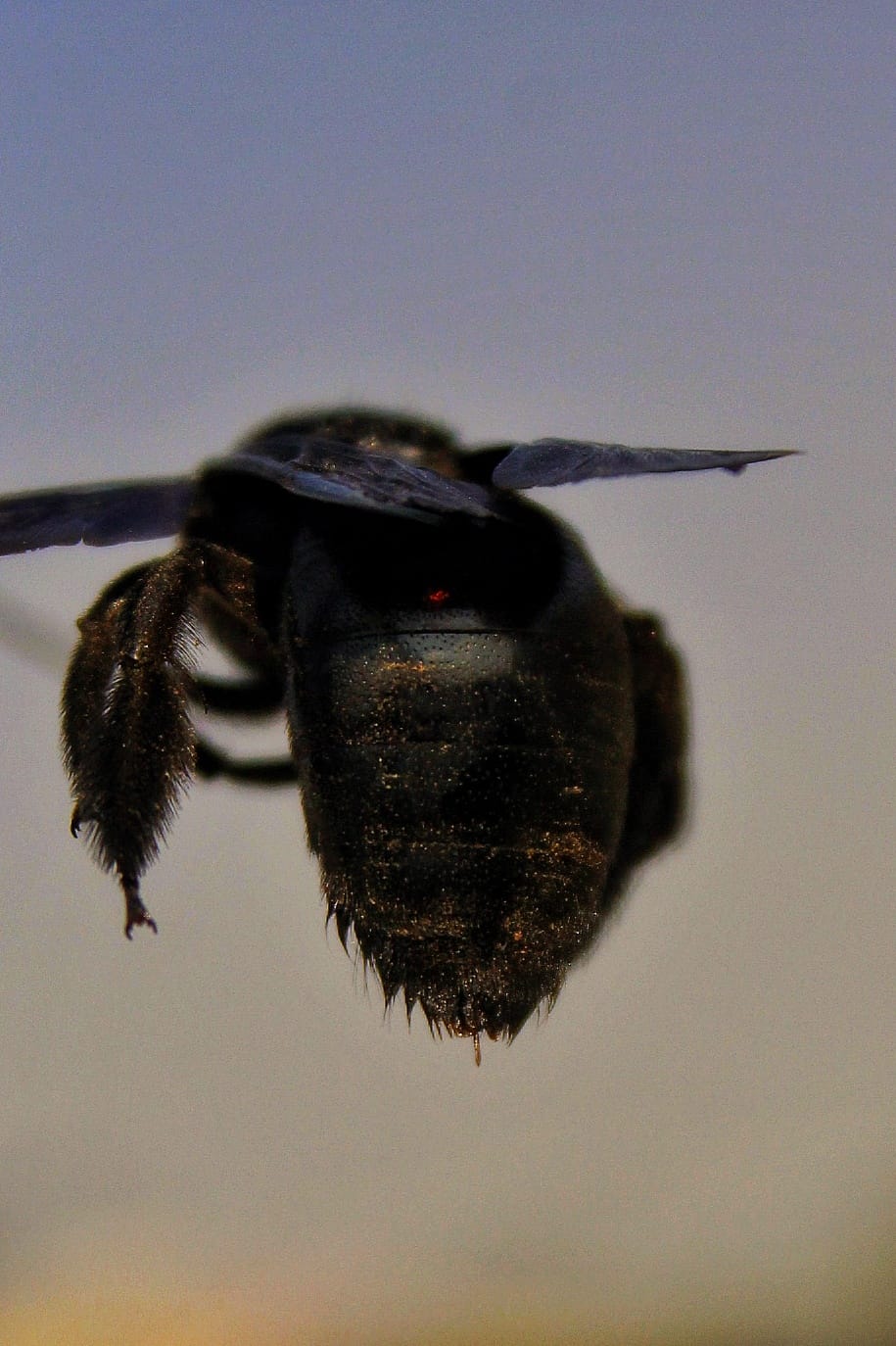
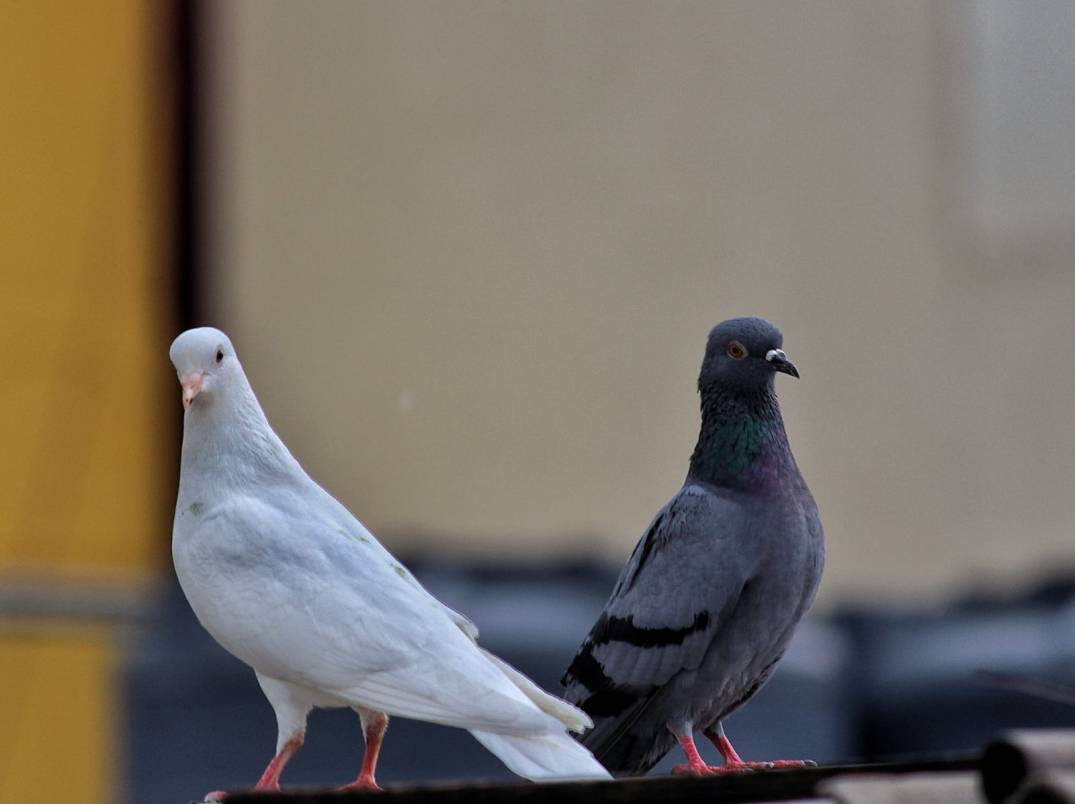
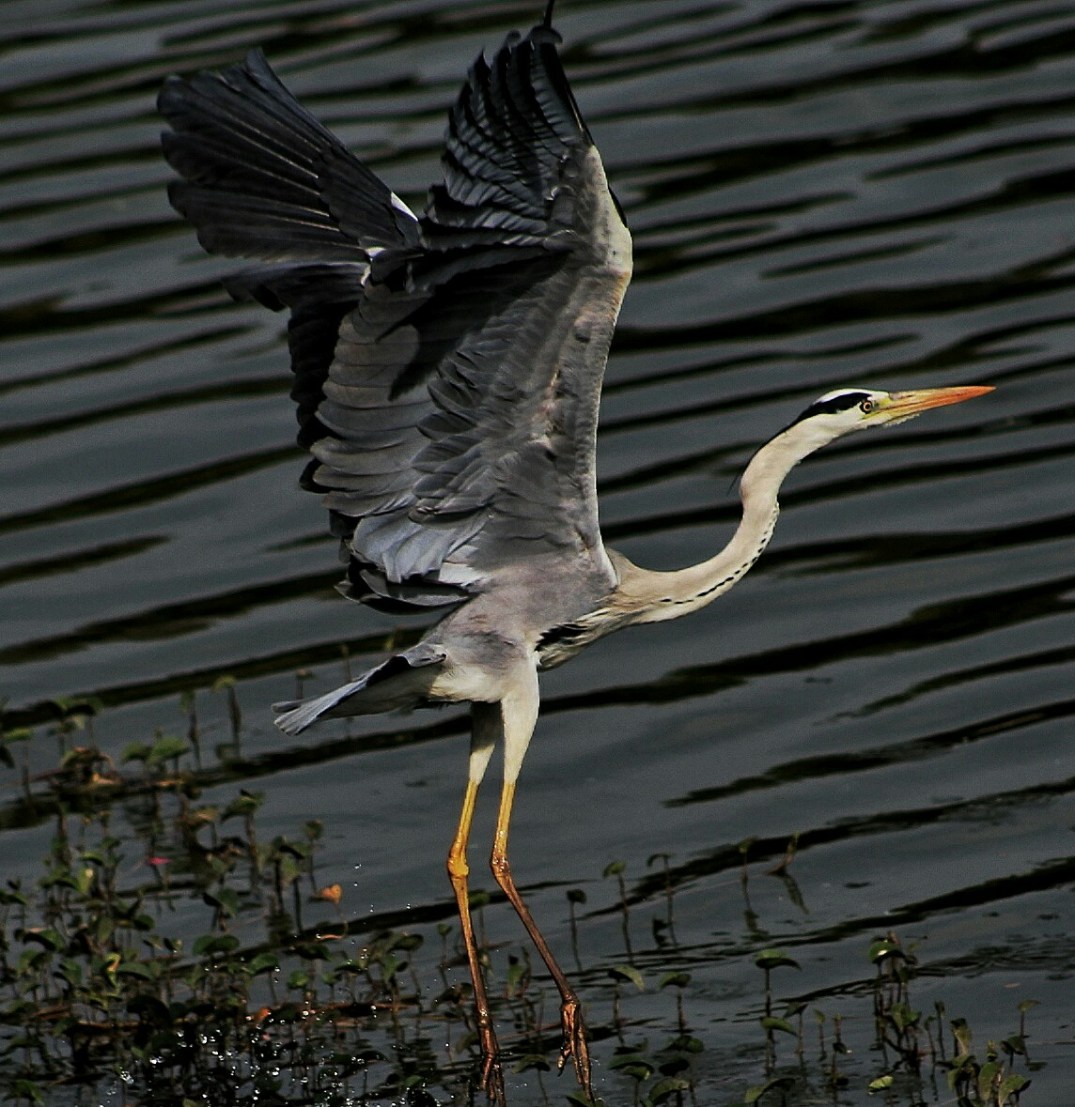
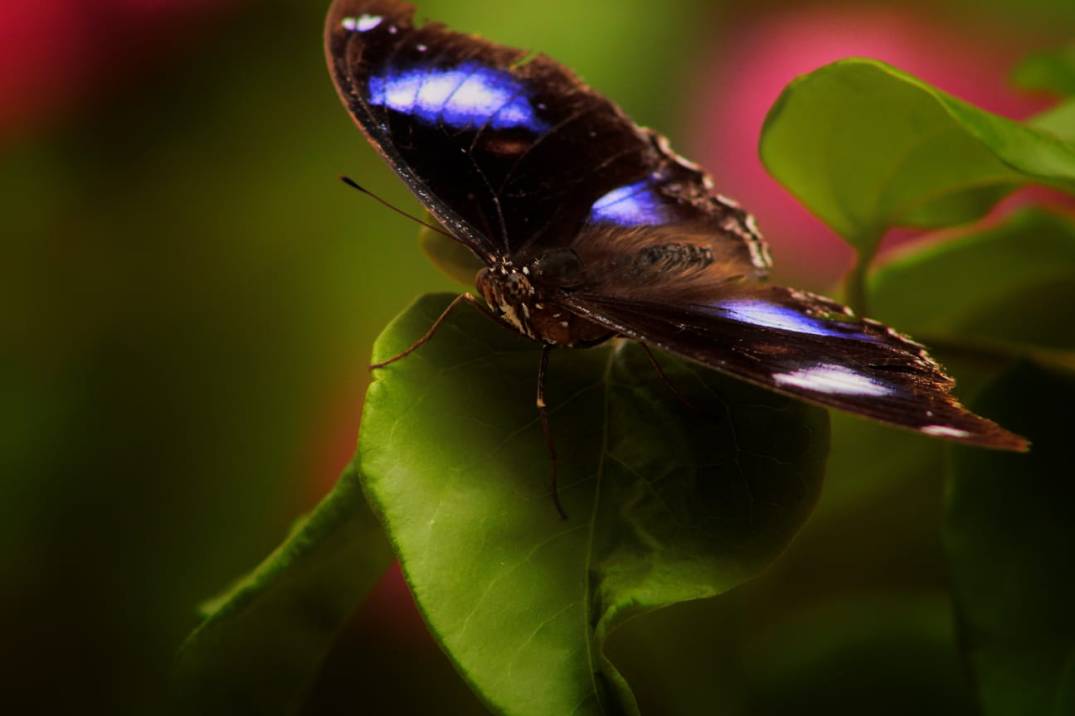
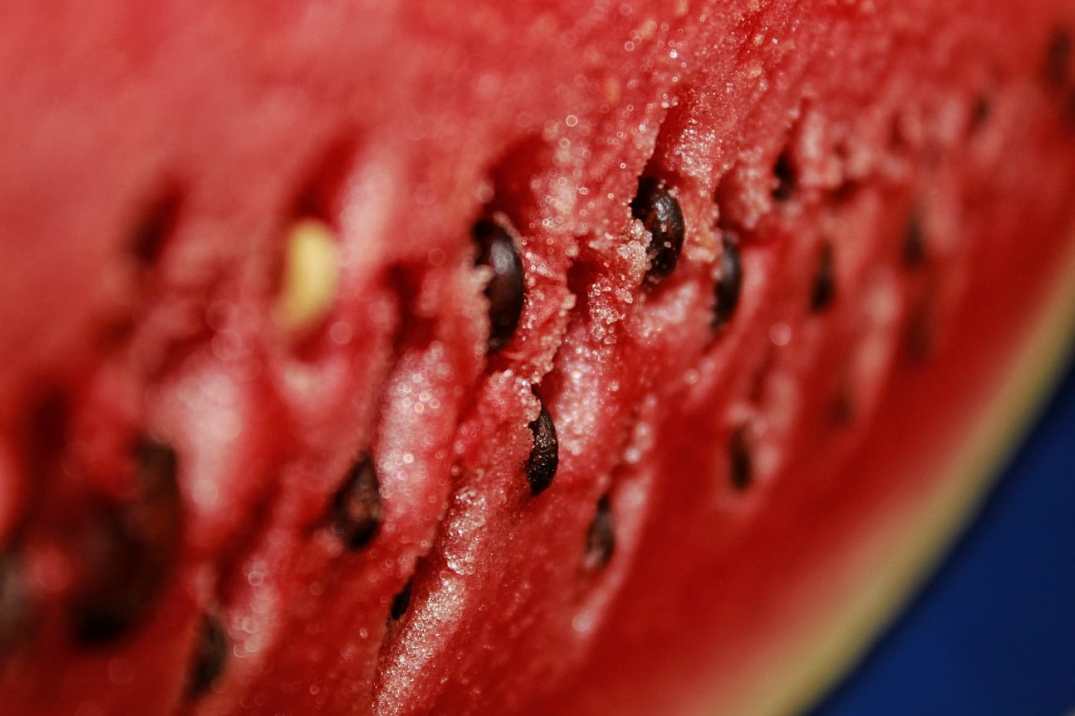
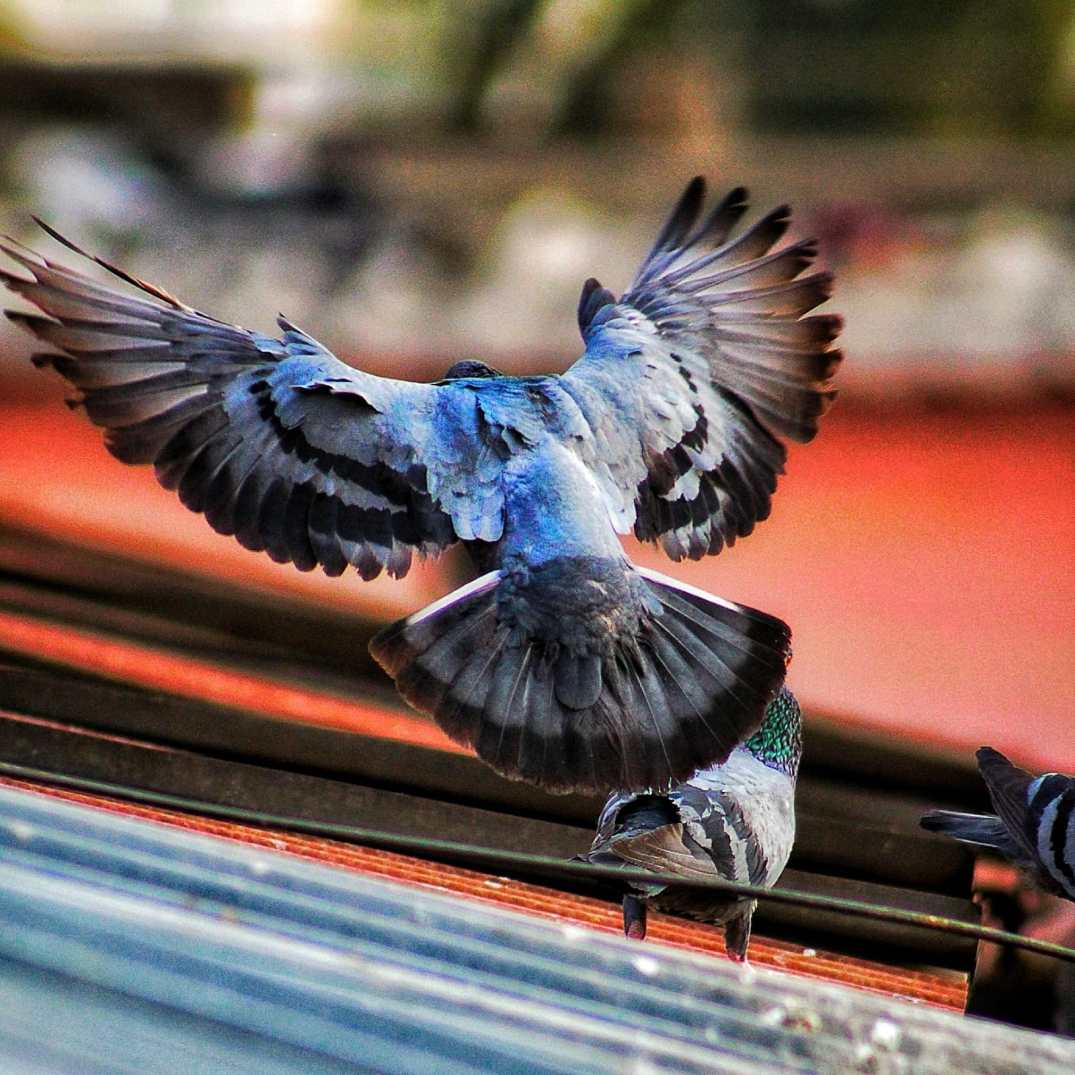
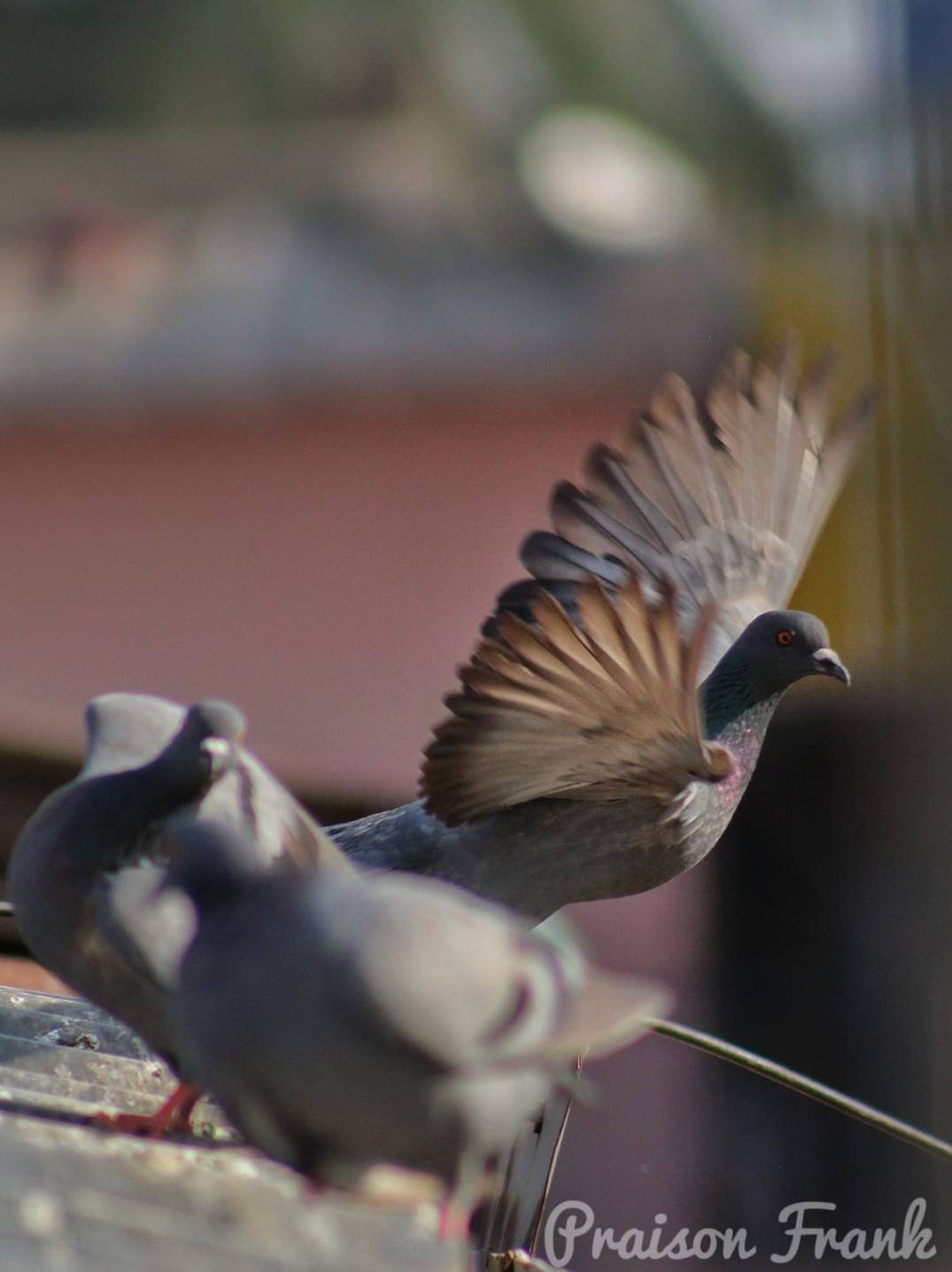
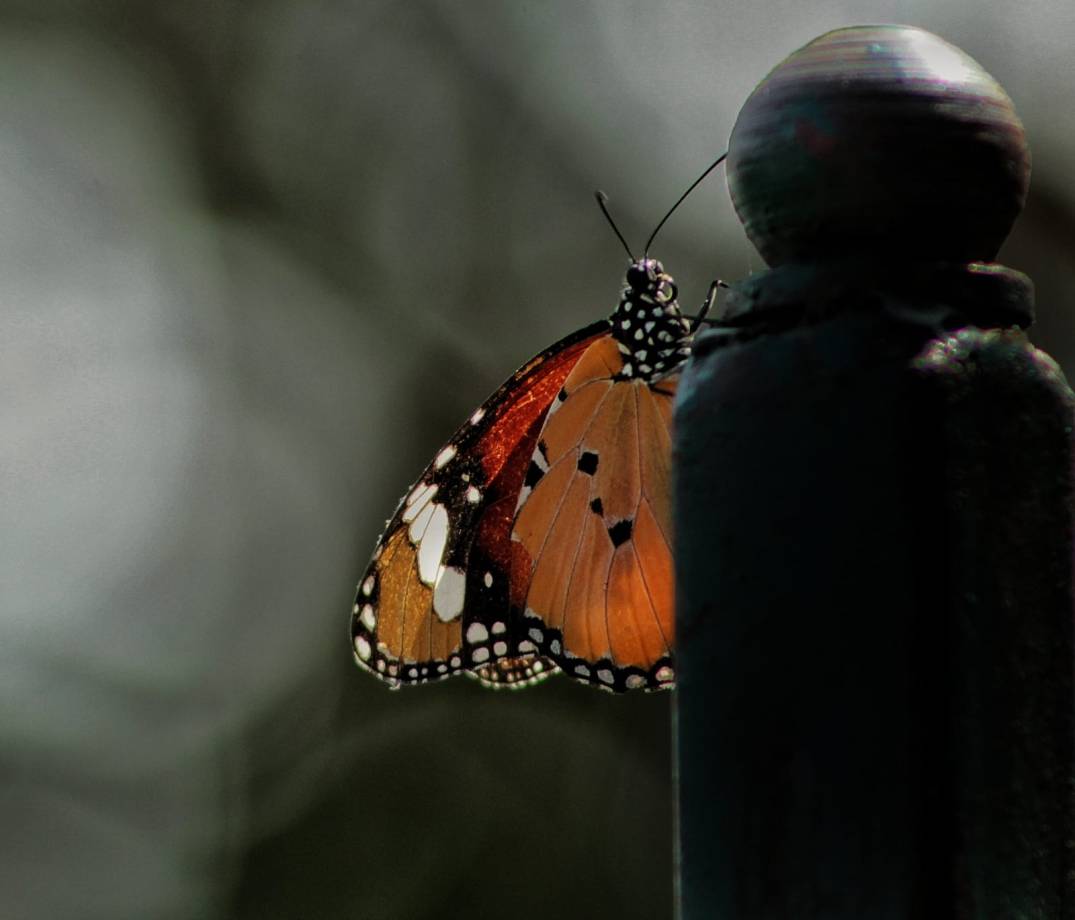
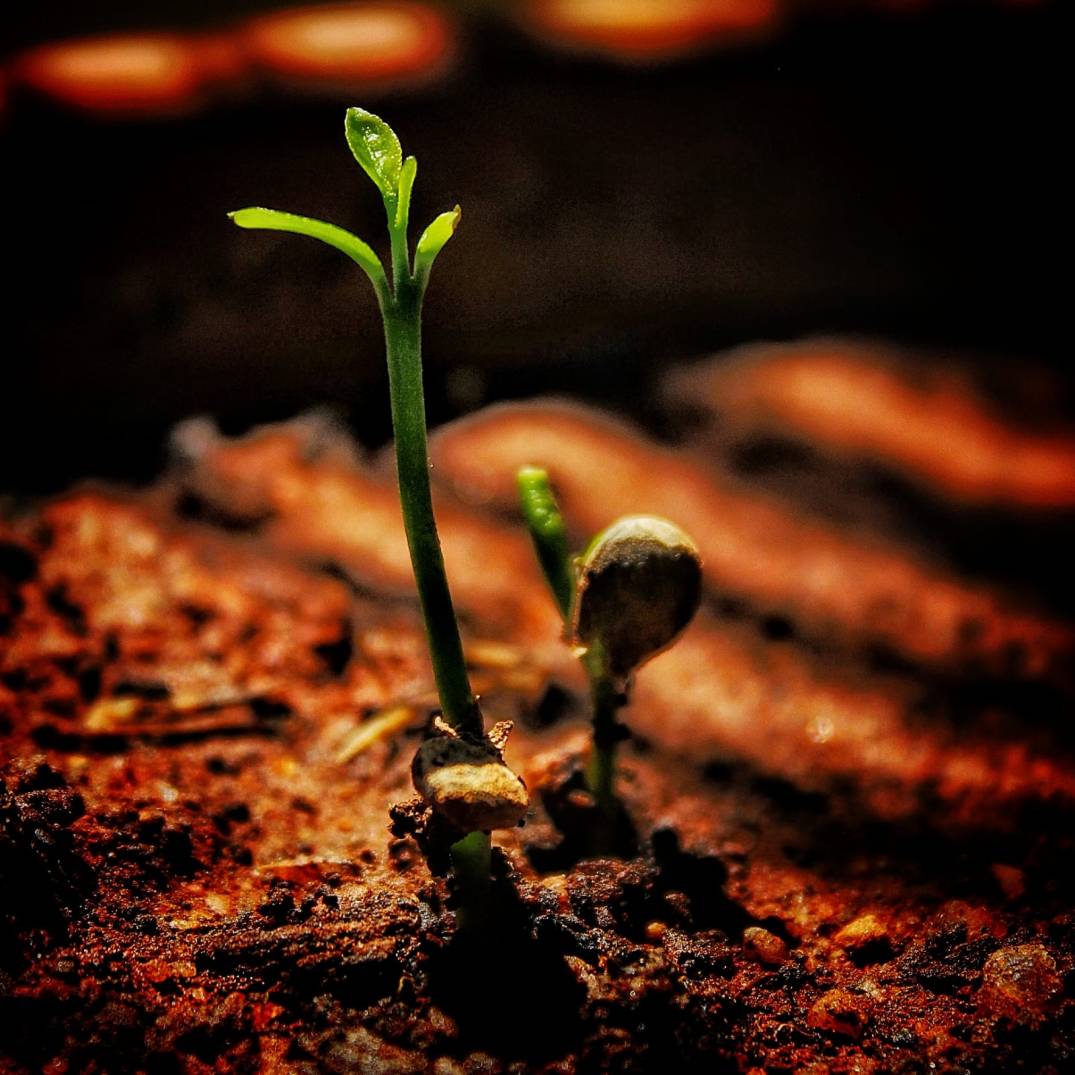
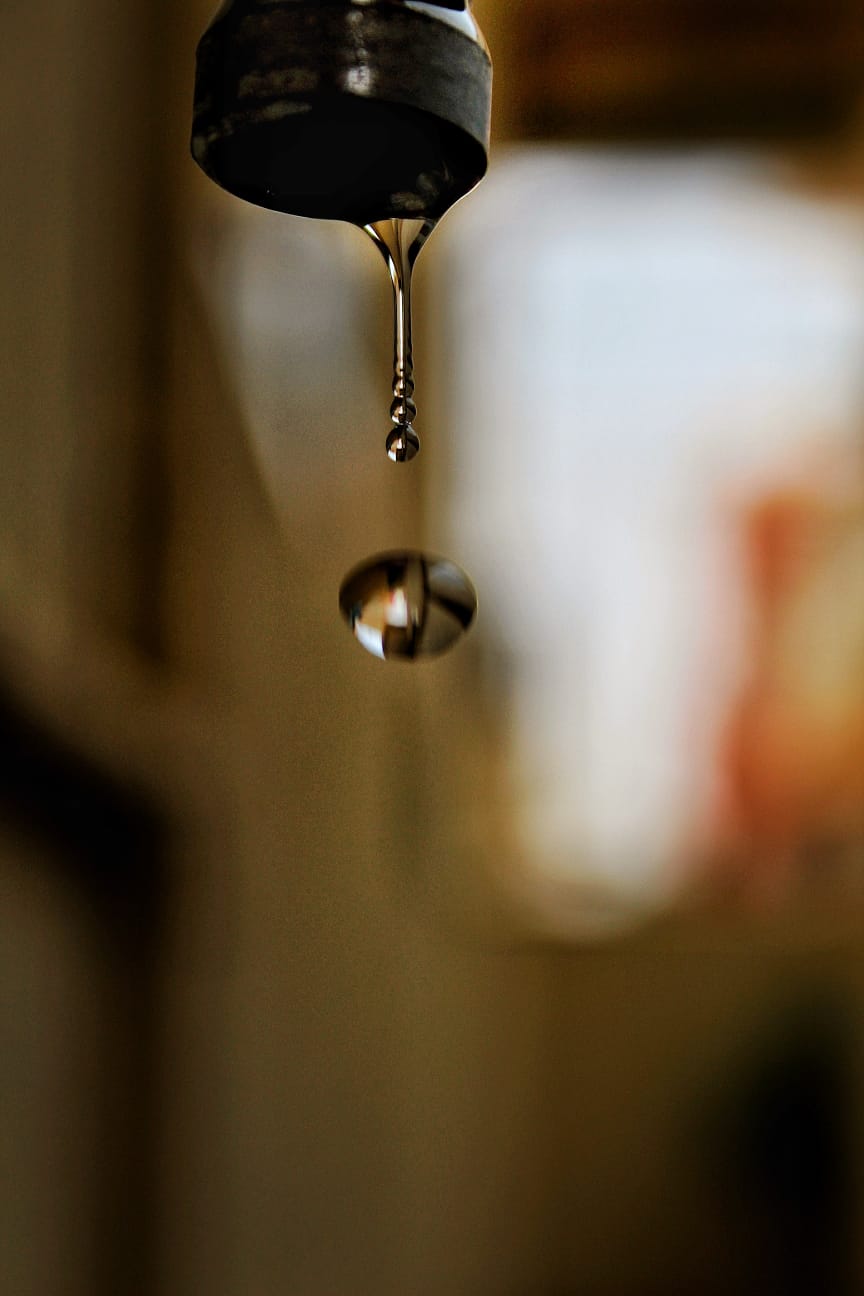
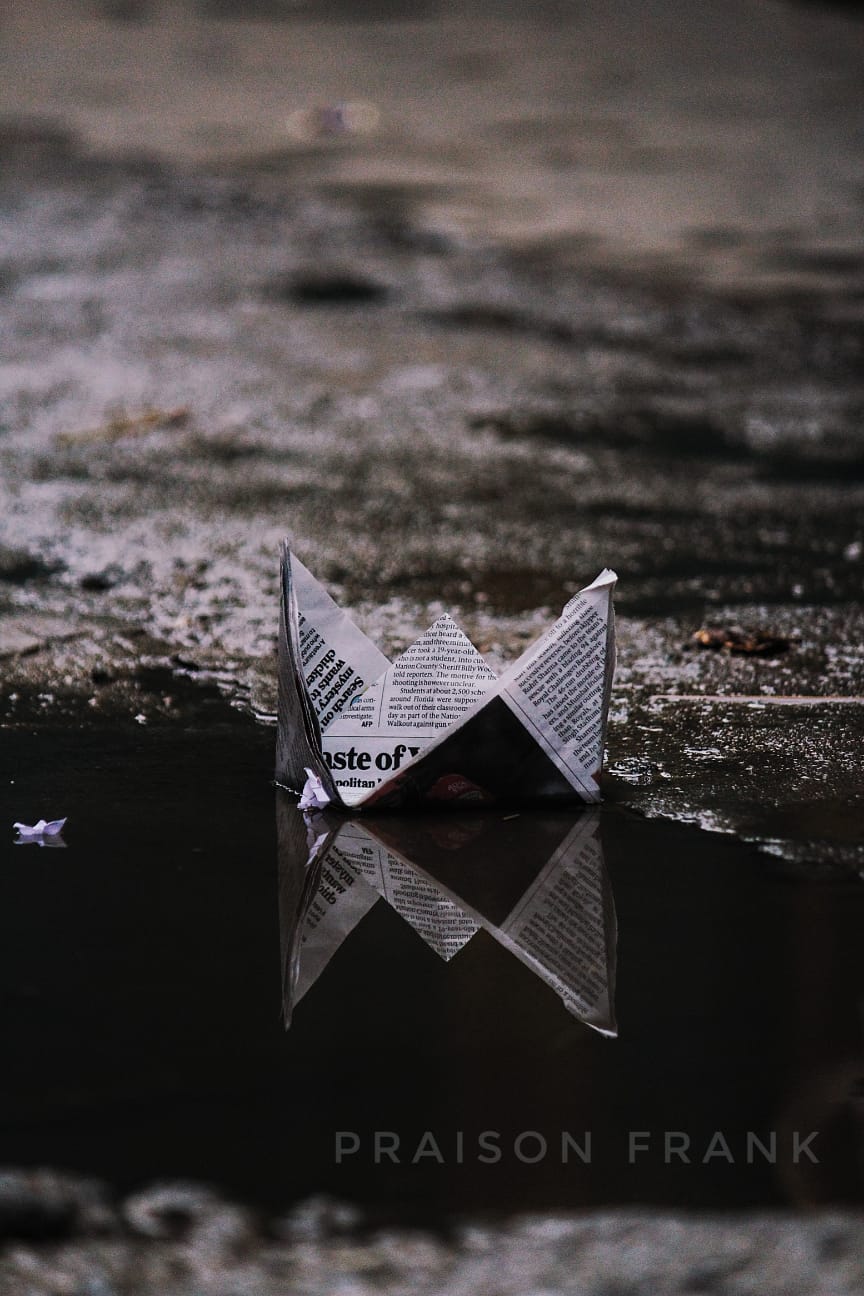
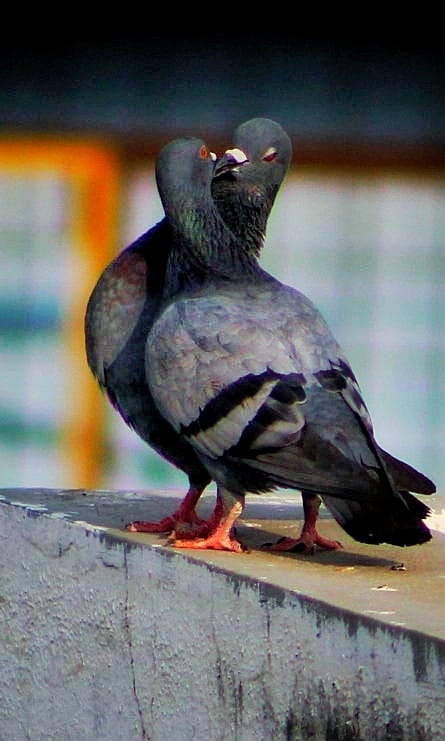
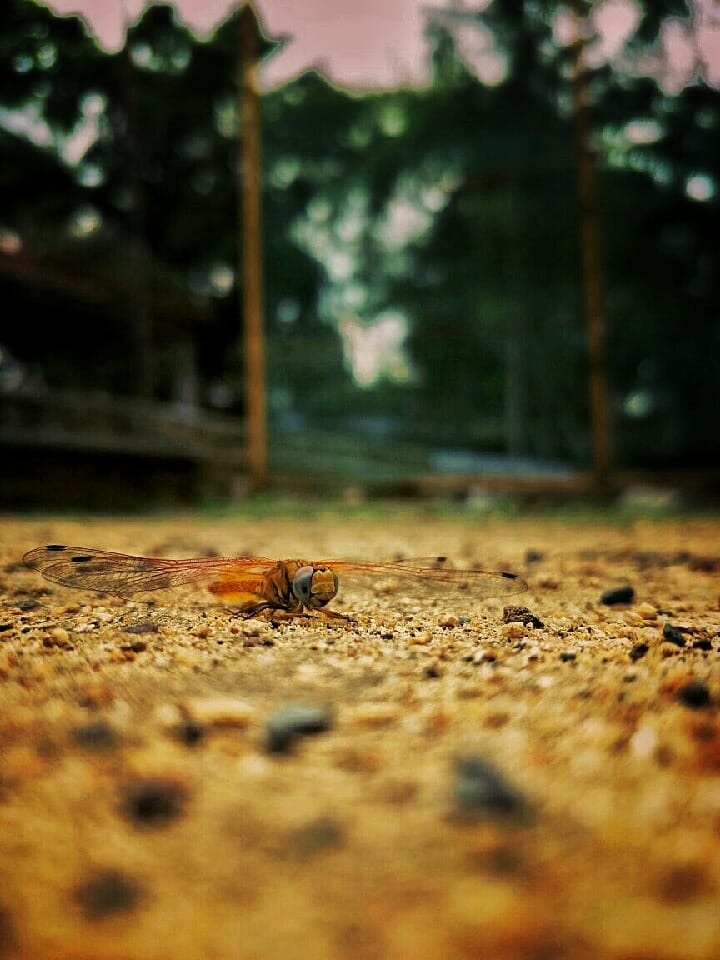
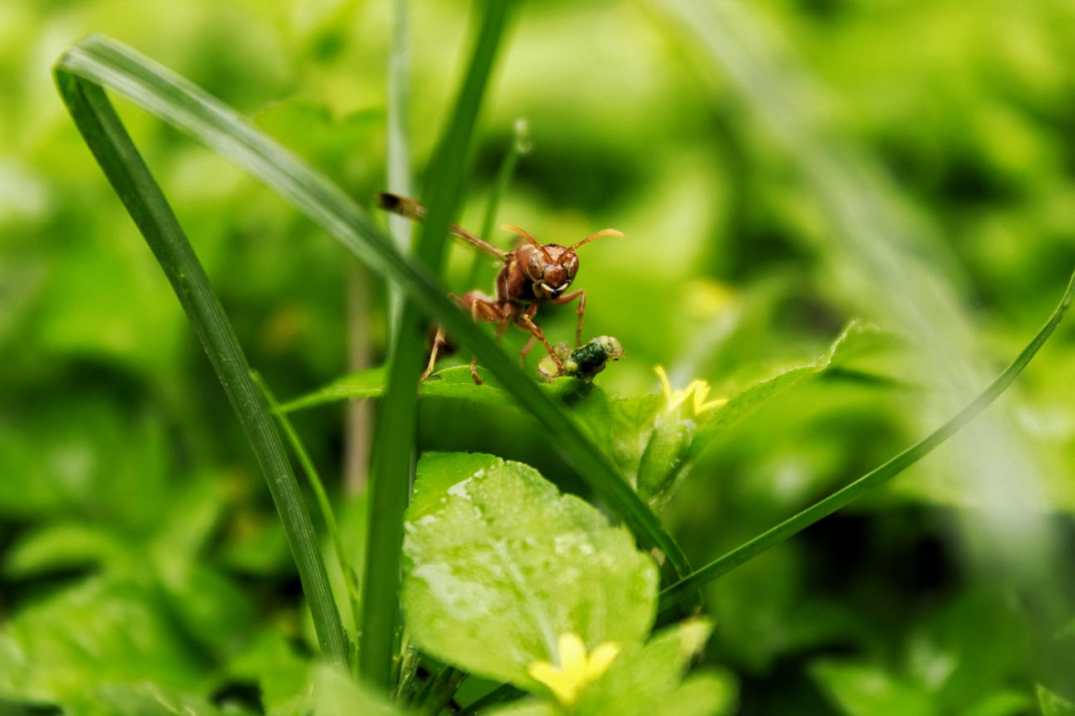
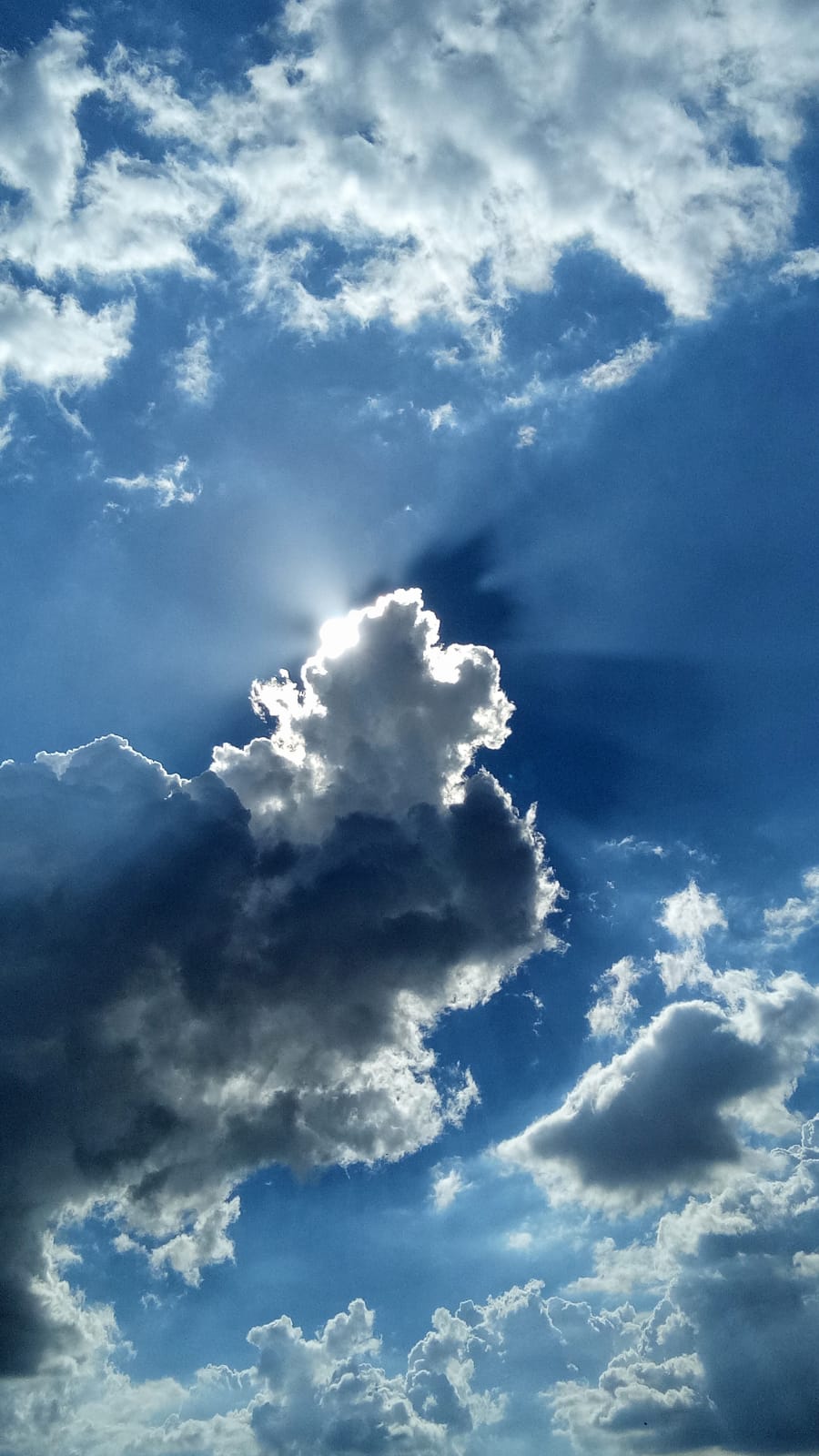
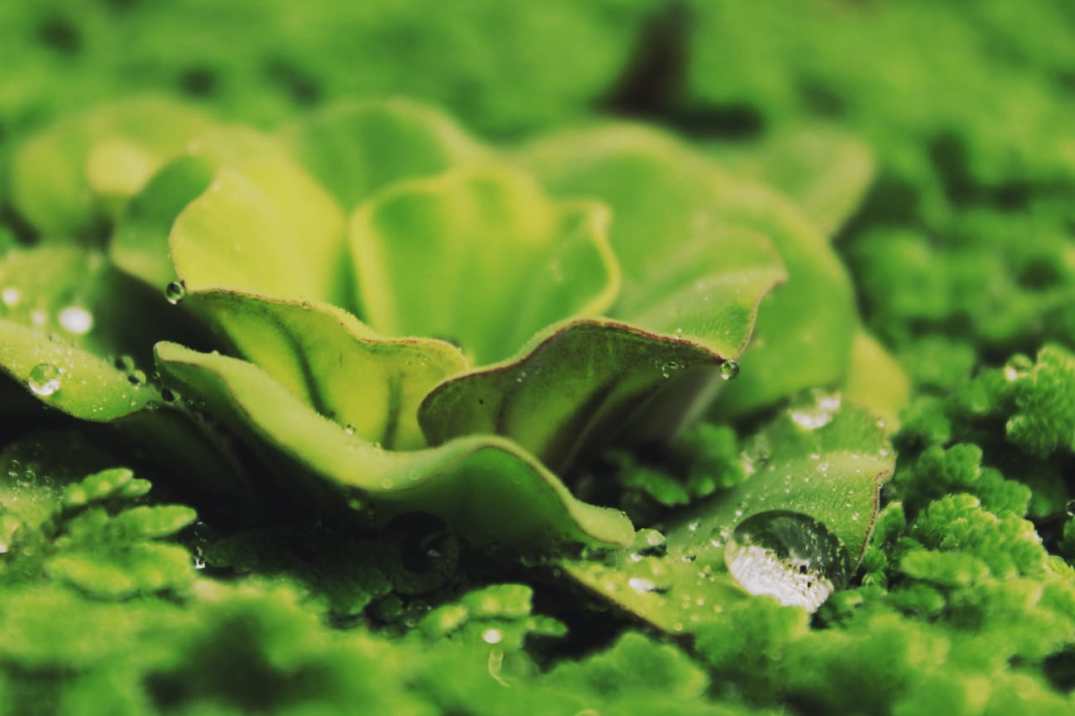
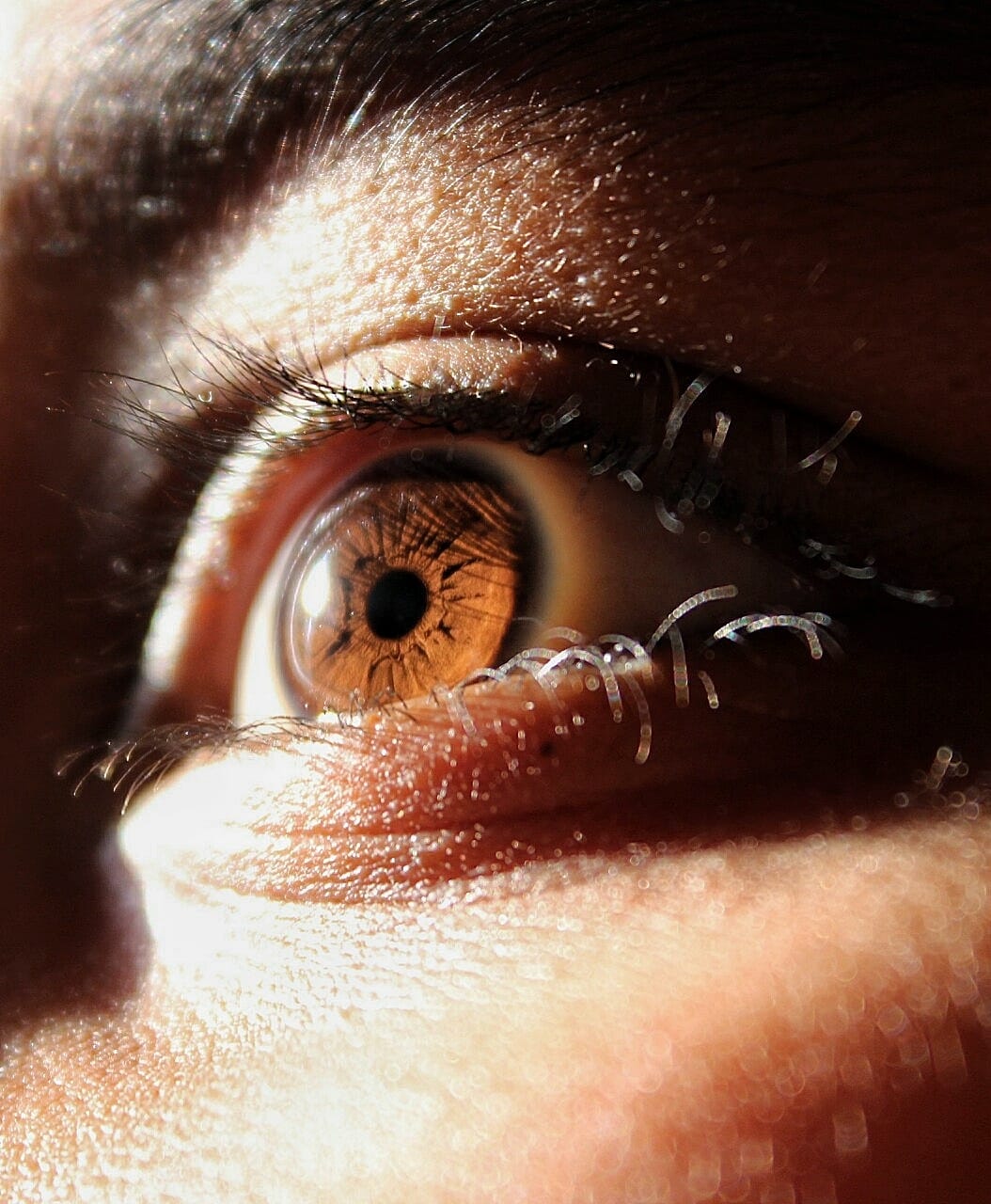
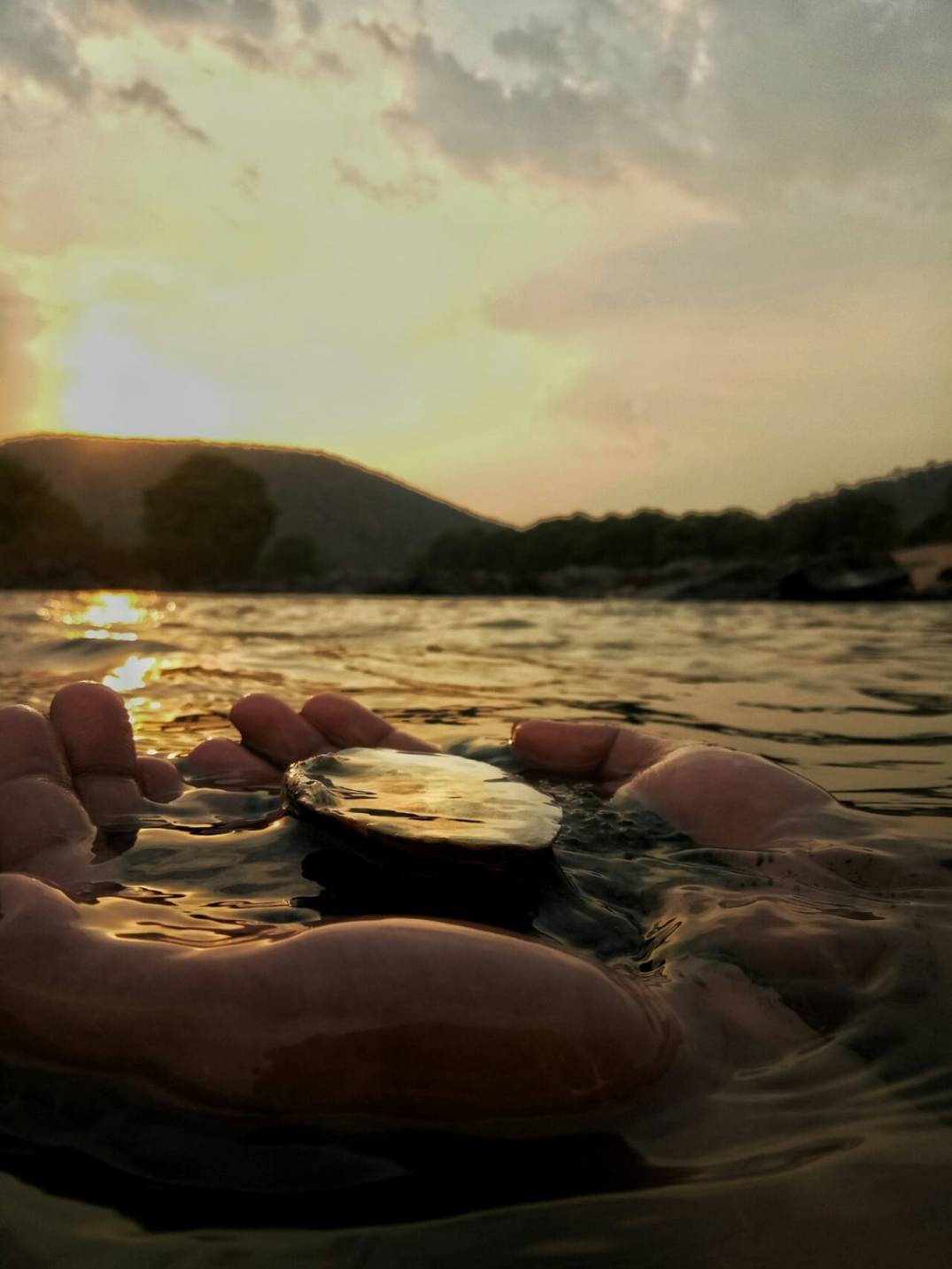
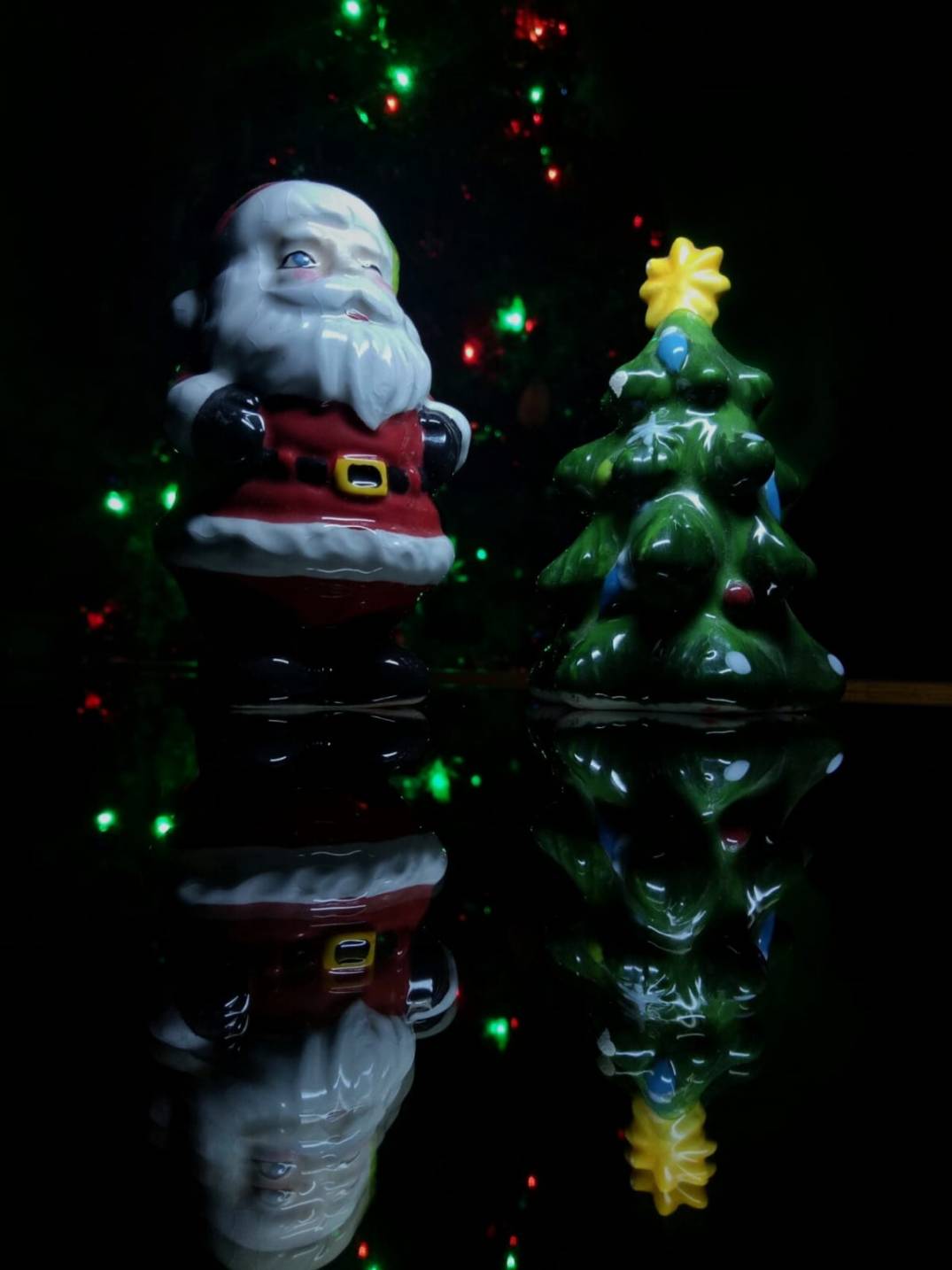
Here are some of the best pictures from our blog!
 PHOTOGRAPHY